
Start With One Receipt Rule For The Whole Team
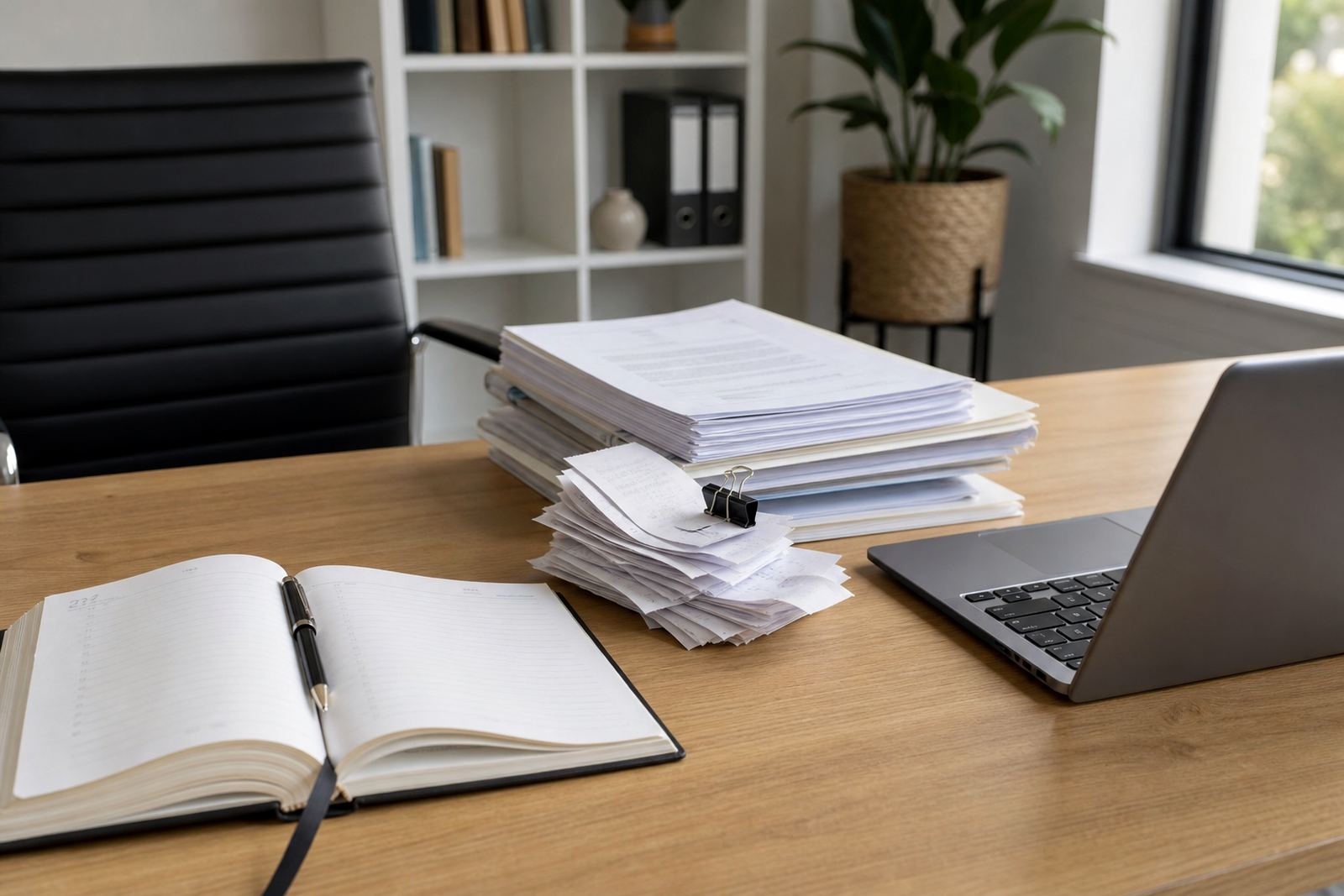
The easiest system is one rule: every receipt must land in one place on the same day it is received. For a micro business, that place can be a small envelope in the till drawer, a plastic file in the office, or a folder on your phone for photos of paper slips. What matters is consistency. If some receipts stay in handbags, car cubbies and glove boxes, month-end becomes a scramble.
At Affo, we see this often with small teams in Johannesburg, Pretoria and Cape Town. A cleaner system is to appoint one person to gather receipts daily, even if the business is only one owner and a part-time helper. If you are paying wages, buying stock, or covering travel, the receipt should be handed over straight away rather than “later in the week”.
- Choose one collection point for all paper receipts.
- Save digital receipts in one named folder.
- Set a daily reminder before knock-off.
- Keep business and personal purchases separate.
Sort Receipts By Expense Type Before Filing
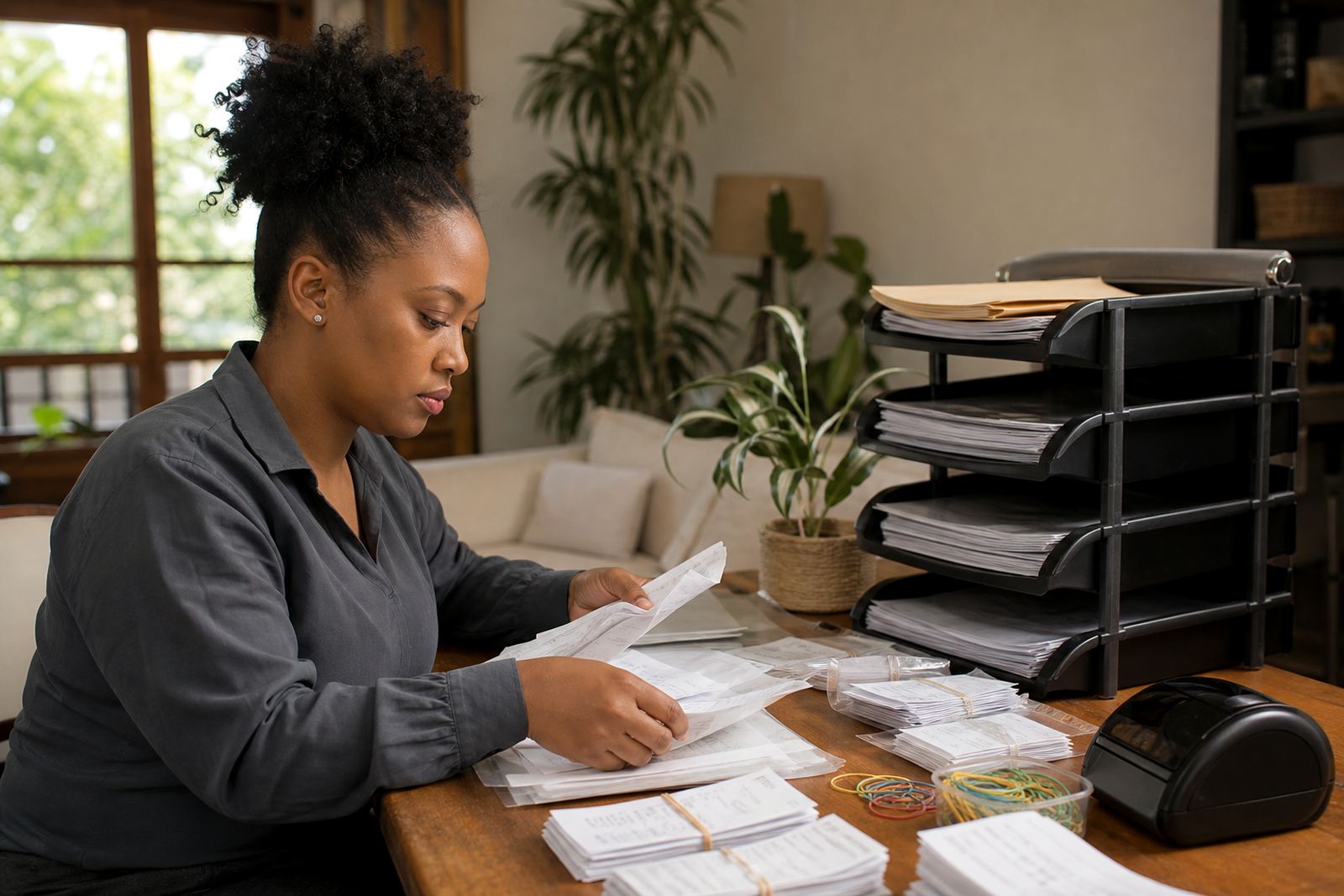
Once receipts are collected, group them into categories that match your bookkeeping records. This makes it easier to record costs correctly and spot missing items. For a small business, simple categories are often enough: office supplies, travel, meals, fuel, subcontractors, rent, internet, and staff costs. You do not need a complicated system, just one that can be repeated every month.
It helps to sort receipts on the same day you collect them, while the details are still fresh. Write the purpose on the back of the receipt if it is not obvious, such as client visit, delivery trip, or stock collection. That note can save a lot of time when the transaction is reviewed later. Keep the handwriting brief and readable, not a novel.
- Office and stationery
- Transport and fuel
- Meals and entertainment
- Telephone and internet
- Payroll related costs
- Repairs and maintenance
Store Paper And Digital Copies So They Match
South African small businesses often use both printed and electronic receipts, especially where suppliers send invoices by WhatsApp or message. The safest approach is to keep both when possible. Paper copies should be filed in date order inside a lever arch file or month-by-month envelope pack. Digital copies should be named clearly, for example 2026-03-14 fuel receipt or 2026-03-18 courier invoice.
If your area has load-shedding or patchy internet, do not leave everything in one cloud folder and hope for the best. Keep a local backup on a phone, laptop or memory device, then sync it later when power returns. In coastal towns like Durban and Gqeberha, paper can curl in humidity, so use sleeves or sealed folders to keep slips legible.
- Label each month clearly.
- Keep backups in two places.
- Do not mix new receipts with old ones.
- Protect paper from moisture and heat.
Capture Key Details Before The Receipt Fades
Ink fades quickly, especially on thermal paper slips from fuel stations and shops. Before that happens, capture the important details: supplier name, date, amount, VAT if shown, and what was bought. If the receipt is small or printed faintly, take a clear photo while the paper is still fresh. A quick record now is better than trying to make sense of a blank slip later.
It also helps to record who approved the spend, especially in a team setting. If one staff member buys materials on behalf of the business, note their name beside the receipt. This is useful for payroll and reimbursement records too, particularly where weekly wage payroll or small team payroll is in use and owners need clean supporting documents.
- Supplier or store name
- Date and amount
- What was purchased
- Who made the purchase
- Any business purpose or job number
Build A Weekly Receipt Check Before Month End
A weekly check is easier than a big end-of-month rescue. Set aside 15 to 20 minutes every Friday to empty pockets, collect new slips, and match each receipt to the bank card or cash payment. This is where many micro businesses catch errors early, such as duplicated purchases, missing receipts, or a taxi ride that was never recorded. A little attention each week keeps the books steadier.
If you pay salaries, wages, or casual staff, make sure payroll records line up with the related paperwork. Keep leave notes, timesheets, and deduction support together with the supporting receipts where needed. For businesses that move quickly in Sandton, Midrand or Randburg, this routine stops admin from spilling into the next month.
- Check for missing receipts
- Match purchases to bank transactions
- File all new slips by date
- Set aside queries for follow-up
Hand Over Clean Records For Bookkeeping And Payroll
When your receipts are tidy, bookkeeping becomes simpler and payroll support is easier to manage. Your records should show what was spent, when it was spent, and why it belongs to the business. That clarity helps when preparing monthly bookkeeping reports, payroll summaries, and year-end handover packs. It also helps small entrepreneurs stay focused on sales, stock and customers instead of chasing paperwork.
Affo supports micro businesses from Bryanston and across South Africa with outsourced bookkeeping and payroll services that suit lean teams. If you want help keeping your receipts, wages and monthly records in order, use the enquiry form on our contact page and we will work through a practical system with you.
- Keep receipts in date order
- Save digital copies with clear file names
- Reconcile weekly, not just monthly
- Store payroll paperwork with the matching month