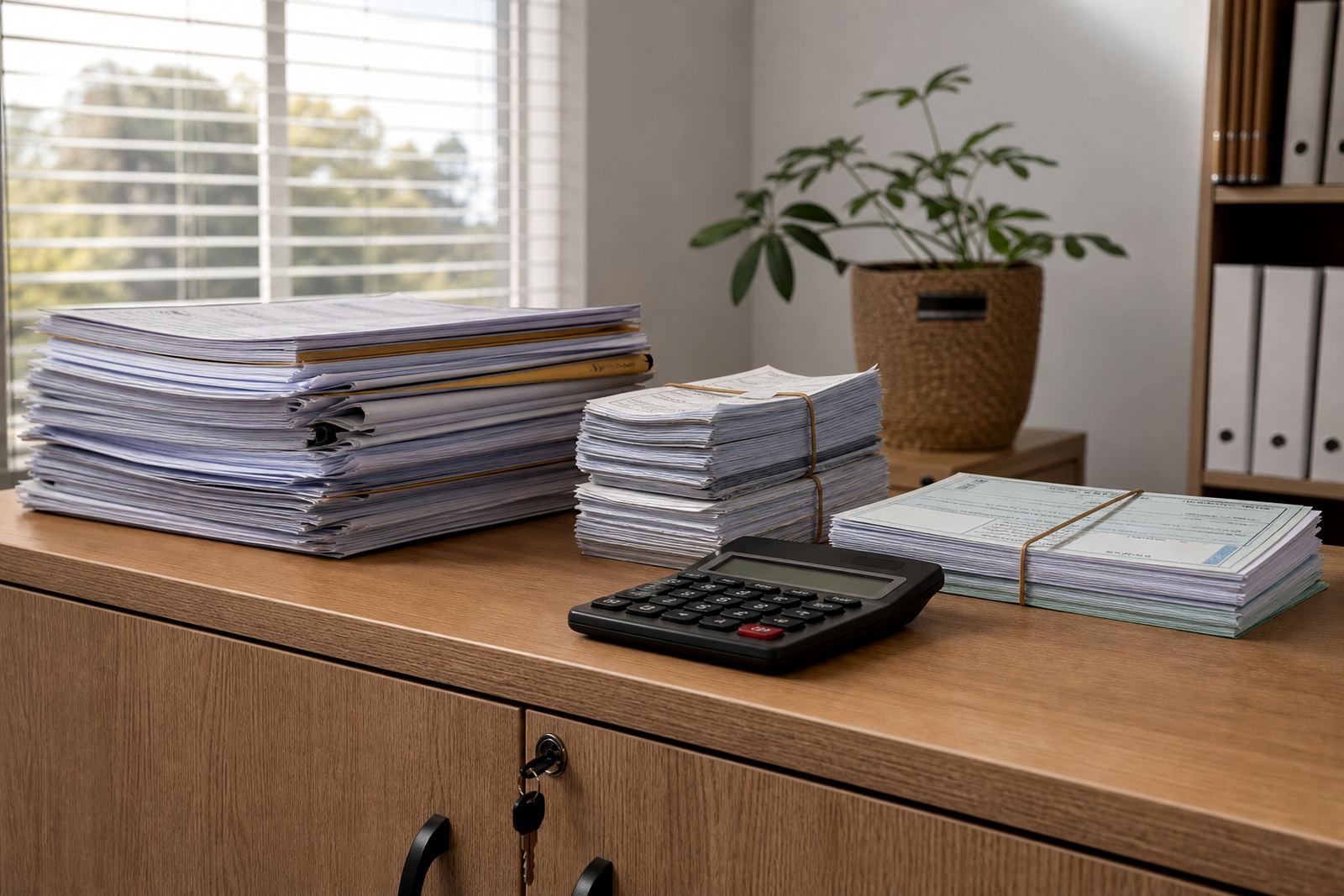


Start With a Payment System That Makes Follow-Up Easy
The easiest overdue invoice to collect is the one that never gets lost in the first place. Micro businesses in Johannesburg, Pretoria, Cape Town, Durban and Gqeberha need a simple billing process that shows exactly what is due, when it is due, and who is responsible for payment on the client side.
Before an invoice goes out, check that the customer’s details are correct, the purchase order number is on the document if needed, and the payment terms are written in plain language. If you are billing a retail shop in Sandton or a small contractor in Midrand, the person approving the invoice should know the due date before it arrives. That makes your first reminder feel normal, not sudden.
- Use one invoice number sequence and keep it neat.
- State the due date clearly, not only the term “30 days”.
- Send invoices on the same day each month where possible.
- Keep delivery notes, signed quotes and message approvals together.
When records are tidy, you can follow up without wasting time searching for proof. It also helps if your bookkeeping and payroll records are kept up to date, because unpaid customer money often affects wages, supplier payments and monthly cash planning.
Follow Up Before the Invoice Becomes a Problem
Do not wait until an invoice is badly overdue before you make contact. A gentle reminder a few days before the due date often works well, especially for smaller customers that handle several suppliers at once. A short message is enough: confirm the amount, the due date and where payment should be made.
Once the due date passes, move to a firmer but still respectful tone. Keep the message factual and avoid emotional wording. The aim is to prompt action, not start an argument. If the client has a genuine problem, such as a missing approval or a bank delay over a long weekend, you will pick that up quickly and can set a new date.
- Send a reminder 3 to 5 days before payment is due.
- Follow up again on day 1 to 3 after the due date.
- Use a subject line that clearly names the invoice number.
- Ask for a payment date if they cannot settle immediately.
In practice, this kind of follow-up is especially useful in South Africa where businesses may be operating through load-shedding, reduced office hours or month-end pressure. A clear reminder helps the client deal with it before the account slips into the next month.
Use A Calm Script That Leaves No Room For Confusion
The wording of your follow-up matters. A message that is too soft can be ignored, while a message that is too harsh can damage the relationship. The best approach is clear, courteous and direct. Say what is outstanding, how much is due, and what you need next.
For example, you might write: “We are following up on invoice 1084 for R4 850, which was due on 12 April. Please confirm when payment will be made, or let us know if any detail on our side needs attention.” That is professional, easy to understand and hard to misread.
If the client says they will pay but keeps delaying, ask for a specific date and note it down. If they dispute part of the bill, deal with the dispute separately and keep the undisputed portion moving. The key is to avoid vague promises. “Soon” does not help payroll or supplier payments.
- Stay polite, even if you are frustrated.
- Refer to invoice numbers and dates every time.
- Ask for a firm payment date, not a general promise.
- Keep a record of every call, message and WhatsApp message.
Escalate Without Burning The Relationship
There comes a point where reminders need to become firmer. If a customer has ignored two or three follow-ups, send a final notice that sets out the overdue amount, the date payment was due, and the next step if payment does not arrive. That next step could be account suspension, late payment charges if your terms allow it, or handing the matter to a collections process.
This is where consistency matters. If you have been lenient with one client but strict with another, the system starts to look unfair. Apply the same process across your customer base, whether the debtor is a salon in Randburg or a small import business in Gqeberha. Clear rules protect your cash flow and your reputation.
It also helps to separate the person from the debt. Many business owners are under pressure, especially in smaller towns and on tight margins, but your own commitments still need to be paid. A calm follow-up keeps the door open for future work while still signalling that you expect settlement.
- Use a final notice once the account is clearly overdue.
- Set out what happens next if payment is not received.
- Apply your terms evenly across all clients.
- Do not keep extending deadlines without a reason.
Keep The Cash Flow Impact Visible In Your Books
Late payments are not only a sales issue, they are a bookkeeping issue. If outstanding invoices are not tracked properly, you can end up thinking the business is healthier than it really is. For micro businesses, that can lead to bad decisions about hiring, stock purchases or taking on new work.
Ageing debtor reports are useful because they show which invoices are current, which are overdue by 30 days, and which have been hanging around for too long. This gives you a proper view of risk. If your biggest debtor is always the same customer, that is a warning sign. If several small invoices are overdue at once, your follow-up process may need tightening.
In South Africa, where banking cut-off times and public holidays can shift payment timing, it helps to review receivables weekly, not just month-end. That gives you enough time to send reminders before cash pressure builds. It also helps to match receipts against invoices properly so you are not chasing money that has already been paid.
A Practical Example From A Bryanston Micro Business
Imagine a small design and printing business in Bryanston that invoices a client in Pretoria for R9 600 on the 1st of the month, with payment due on the 15th. By the 12th, a reminder goes out with the invoice attached. On the 16th, there is no payment, so the owner sends a polite follow-up asking for confirmation. On the 19th, the client replies that their approver was away and asks for another two days. That new date is recorded. If payment arrives on time, the matter closes neatly and the relationship stays intact.
If the payment does not arrive, the tone changes on the next follow-up. The owner refers to the agreed date, confirms the amount and states the action that will follow if the account remains unpaid. No threats, just a clear line. That approach saves time and usually gets a faster answer than repeated casual nudges.
For many micro businesses, the challenge is not only collecting the money but keeping payroll, supplier payments and tax obligations steady while the account is still open. That is why proper bookkeeping support matters. It helps business owners see the pressure early and follow up before one overdue invoice causes a chain reaction.