
Bookkeeping for operators who live by the route sheet
Delivery work can look simple from the outside, but the money side is rarely simple. One week you are paying for diesel in Randburg, the next you are dealing with repairs, tolls, driver wages, vehicle tracking, and a late client who only settles after month end. When the books are not current, it becomes hard to see which routes are profitable and which vehicles are eating cash.
Affo supports micro delivery businesses that work from Bryanston, Sandton, Pretoria, Cape Town, Durban, Gqeberha and surrounding areas. We handle the records that keep daily operations honest, including fuel spend, maintenance, route income, contractor payouts and payroll support for small teams. The aim is not fancy reporting, just clear figures you can trust when making decisions.
- Track income by client, route or vehicle
- Separate fuel, repairs and toll costs
- Keep driver and admin payroll in step with actual work done
- See whether each van, bakkie or motorbike is pulling its weight
Typical setup in a small delivery business
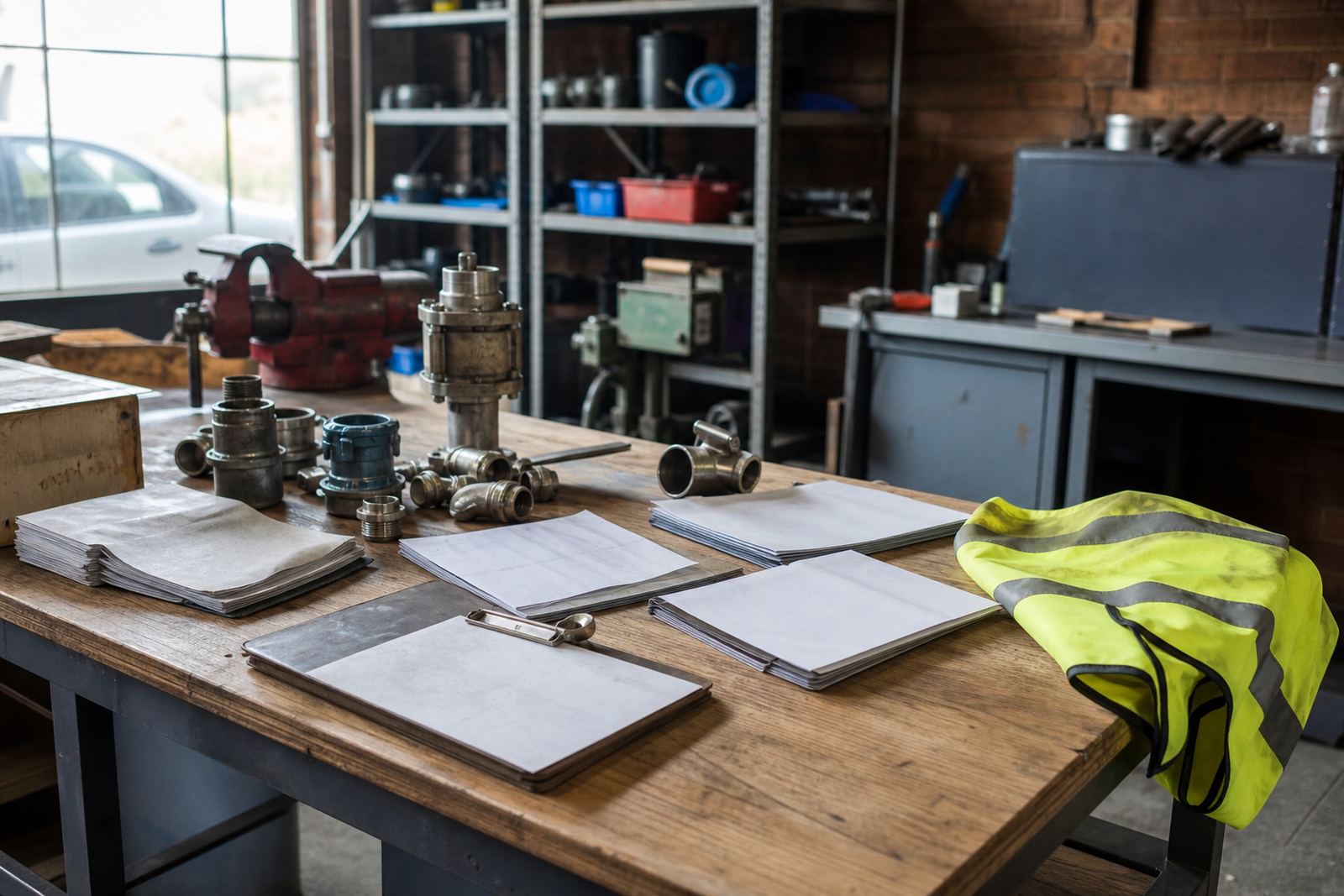
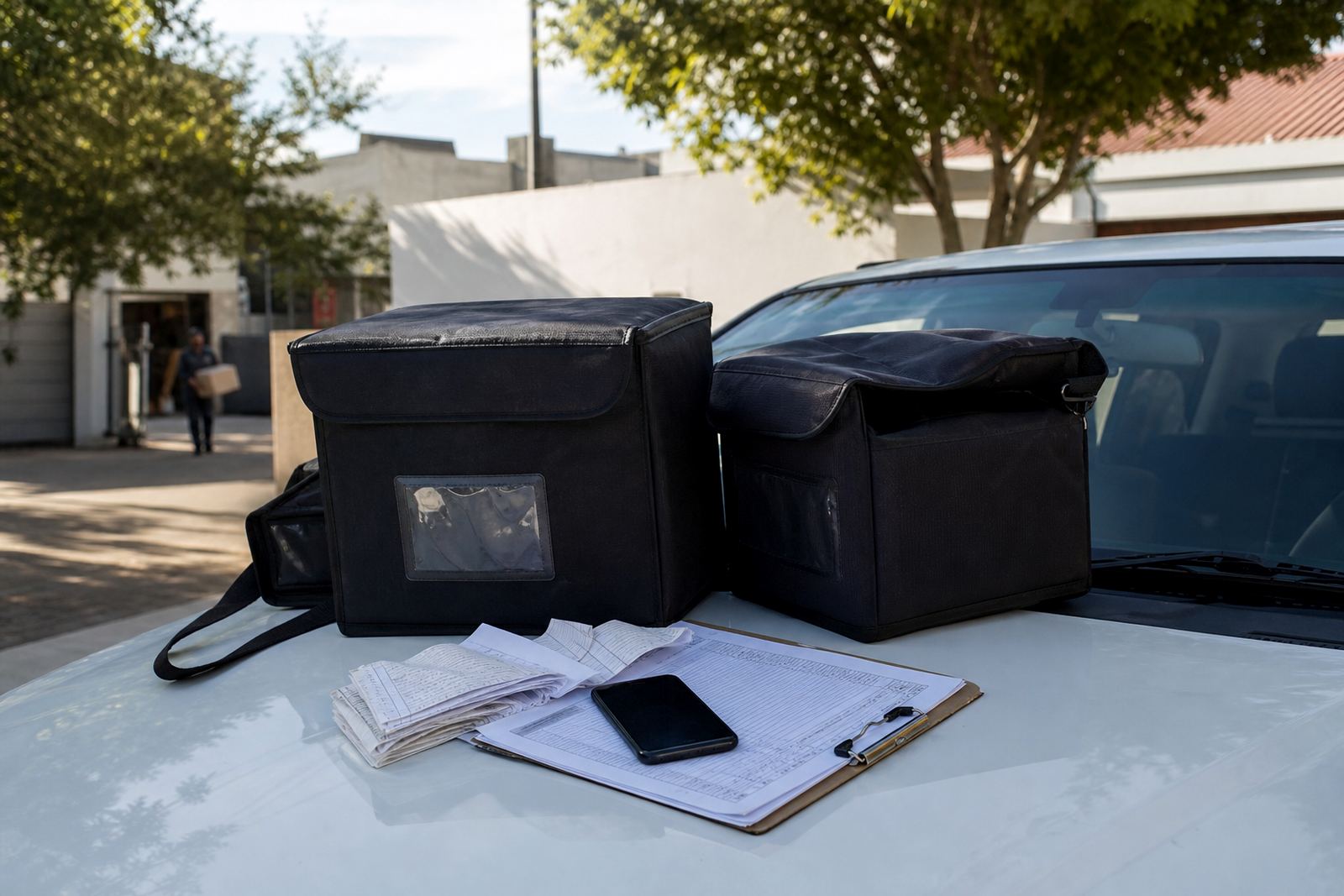
Most owner-run delivery operators do not have a big office. The business is often run from home in Midrand, a small yard in Pretoria, or a shared industrial unit close to the N1 or N3. Equipment is usually practical rather than fancy: one or two delivery vehicles, a laptop or tablet, a printer for manifests, fuel cards, mobile phones for dispatch and a simple timesheet or route log. Some businesses also use handheld scanners, while others still rely on WhatsApp messages and paper proof of delivery slips.
That mix can work well if the record keeping is tidy. The trouble starts when fuel slips get lost, cash jobs are mixed with account work, or a driver collects payment and nobody records it properly. A clean bookkeeping system makes it easier to reconcile what went out on the road with what came in at the end of the week, and helps stop small leaks becoming big ones. In a coastal city like Durban or Gqeberha, it also helps to keep service records in order because salt air can shorten the life of vehicles and parts.
- Vehicles: bakkies, panel vans, small trucks, motorbikes or scooters
- Support tools: route sheets, delivery notes, fuel slips, card statements and SMS payment alerts
- Office setup: one person can often manage records from a home base with stable internet and a printer
Payroll support for drivers, loaders and admin staff
Many delivery operators start with the owner driving, then add one helper, then a part-time admin person, and later a small team of drivers or warehouse staff. Payroll needs to match the way the business actually works. Some staff are paid weekly, others monthly, and some are paid a fixed amount plus overtime or route incentives. If leave, deductions or terminations are handled badly it can cause disputes quickly, especially in a small team where everyone sees everything.
Affo assists with monthly payroll, weekly wage payroll, payslip processing, leave tracking, timesheet capture, new employee setup, termination pay, deduction support, payroll reporting, holiday payroll cover, small team payroll and payroll cleanup. That matters when loads increase over busy periods, or when a vehicle is off the road and the team has to reshuffle fast. Accurate payroll also helps with compliance and keeps your records ready if you ever need to show what was paid and when.
- Weekly wages for casual drivers and loaders
- Monthly payroll for admin and supervisors
- Clean records for leave, deductions and overtime
- Support when staff numbers change after a contract win or lost route
Planning advice that saves fuel and admin time
Delivery businesses usually run better when the back office is built around the road work. Keep route income separate from other income streams, and record each vehicle’s costs on the same day where possible. If you wait until month end, fuel slips disappear, dates get mixed up, and the numbers stop telling the truth. A simple weekly routine is often enough for a micro business, even if the team is busy and the phones are going all day.
It also helps to map the week around load-shedding, traffic and collection times. In Johannesburg and Pretoria, delays on busy corridors can change fuel use and overtime very quickly. In Cape Town and Durban, weather and road conditions can affect turnaround times, while in Gqeberha longer coastal trips may mean more wear on tyres and brakes. Planning should reflect the real route pattern, not just the ideal one. A little discipline here saves money, and a lot of headache.
- Reconcile fuel slips weekly, not monthly
- Record maintenance immediately after the job is done
- Match cash collections to delivery notes and proof of delivery
- Review each route’s margin before adding more vehicles
Common mistakes that eat into delivery margins
The biggest mistake is treating all delivery income as one bucket. A same-day courier run, a contracted route and a once-off urgent delivery often have different costs and different profit levels. If they are bundled together, you cannot tell which work is worth keeping. Another common issue is paying staff from cash on hand and only fixing the records later, which often leads to missing payslips, unclear deductions and awkward questions from employees.
Other problems include using personal bank cards for business fuel, forgetting to log repairs, and not separating contractor payments from wages. Small businesses also lose money when they do not check whether a van is costing more to keep on the road than it brings in. In some cases, the business is busy but still short of cash because clients pay late and the owner has already covered diesel, tolls and wages. That is where clean books matter most, even if the business only has two vehicles and a few staff.
- Mixing personal and business spend
- Waiting too long to process payroll changes
- Ignoring vehicle-level profit and loss
- Not keeping proof of delivery with the invoice trail
Budget ranges for micro delivery operators
Costs depend on how many staff you have, how often you pay wages, and how messy the records are when you start. A one-person operator with a single vehicle needs far less support than a small fleet running daily routes across several provinces. For micro businesses, bookkeeping support can often sit in a manageable monthly range, while payroll adds a separate cost based on employee count and pay frequency.
As a rough guide, many delivery operators look at bookkeeping and payroll support starting from around R2 500 to R6 500 a month for very small setups, rising to around R7 000 to R15 000 or more for busier businesses with multiple staff, weekly wages and higher transaction volumes. If the records need cleanup first, there may be a once-off catch-up cost before the regular monthly work begins. The exact figure depends on how many routes, suppliers, employees and bank entries need attention.
For an owner in Bryanston or Sandton, the real value is not just the fee, but the time saved and the fewer mistakes made when cash flow is tight. A small monthly cost can be easier to carry than losing money on an unprofitable route or making a payroll error that has to be fixed later.
How Affo works with delivery businesses
Affo is based in Bryanston, Johannesburg and works with micro businesses across South Africa. Clients usually start through the enquiry form on our contact page, then we look at what the business does day to day, how many people are on payroll, and what kind of bookkeeping clean-up is needed. From there we build a practical monthly support plan that suits a delivery operation with real road pressure and not much spare time.
Our team includes Thabiso Mokoena, Naledi Khumalo, Johan van der Merwe, Anele Dlamini, Priya Naidoo and Lerato Maseko. That mix helps with bookkeeping, payroll, compliance and client support in a way that suits small businesses rather than large corporates. If your delivery company is growing in Randburg, Midrand, Pretoria, Cape Town, Durban or Gqeberha, we can help you keep the books current and the payroll tidy without adding extra admin for your side. The goal is simple, keep the money trail clear so you can stay on the road.
- Suitable for one-vehicle operators and small fleets
- Works for weekly wages, monthly payroll and mixed teams
- Helps owners spot waste, overdue income and payroll issues early